Browse all resources
Project Real is a free collection of teaching resources on misinformation, digital literacy, and online safety. The materials were developed for use in schools and youth settings, and can be used as a full teaching sequence or as stand-alone resources.
Lesson packs
The lesson packs are the core classroom resources. They were designed for young people aged around 11 to 13, with each session focusing on a different aspect of misinformation, online behaviour, and digital life.
The full set includes slides, teaching notes, and supporting materials. You can use the lesson packs as a sequence or choose individual sessions to fit your class, subject, or timetable.
Casefiles
The casefiles are short interactive scenarios designed to help young people think through online choices, consequences, and safer responses. They work well as discussion starters, tutor time activities, extension tasks, or follow-up work after a lesson.
Influencers and co-creation
This part of the site explains how the project was developed with young people and influencers. It gives context for the resources and shows how co-creation shaped both the tone and the content of the materials.
Parent and carer conversation materials
Some resources are designed to support conversations beyond the classroom, including prompts for parents, carers, and young people to talk about online life, safety, trust, and misinformation.
Your information activity
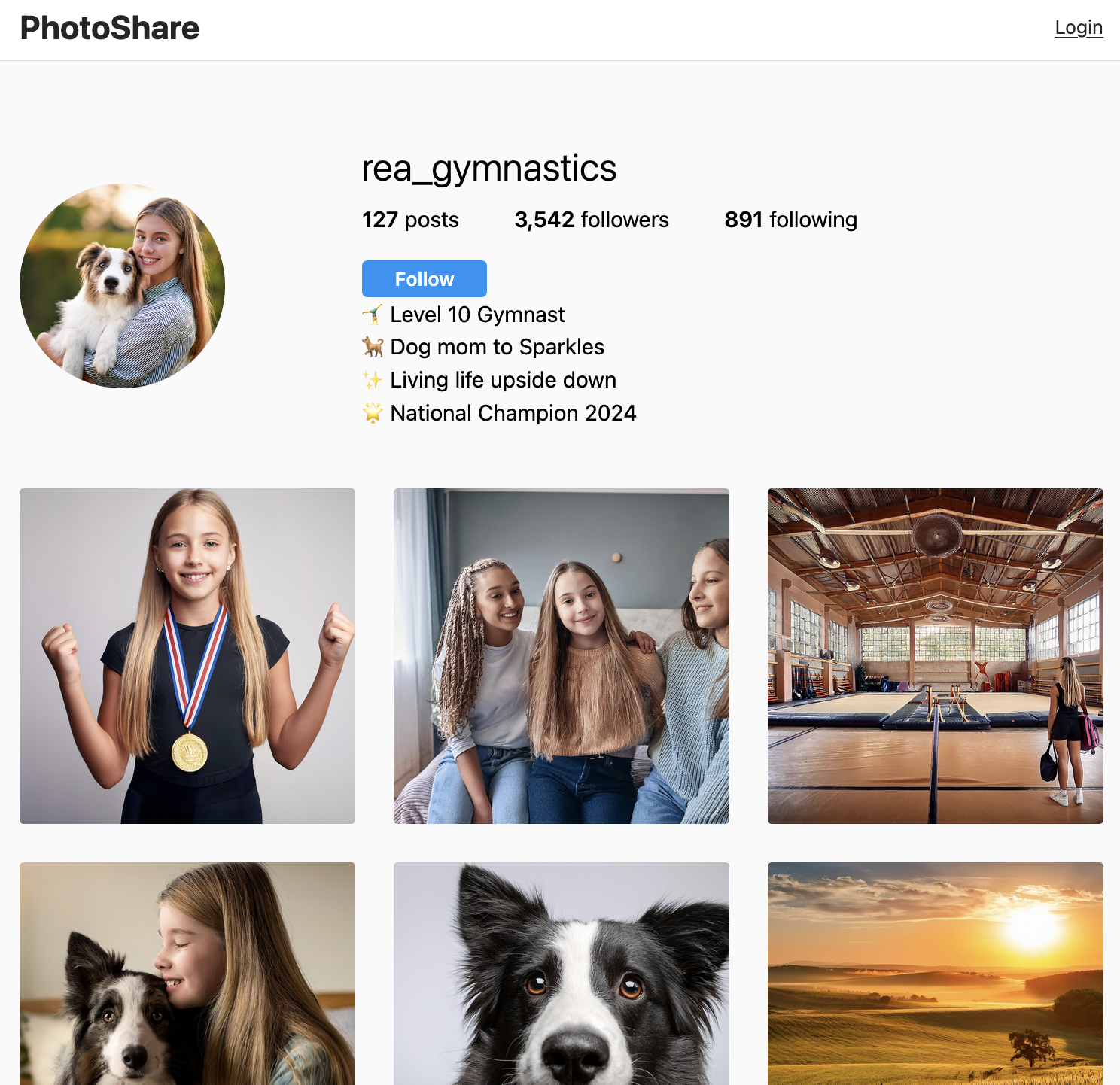
This activity uses a fake social media site to explore what people can learn from posts, likes, and profile details online. It can be used as a classroom discussion activity or as part of wider work on privacy, identity, and digital footprints. It also includes a password-guessing game built around the profiles.
Comics
The comics were co-created with groups of young people and focus on the worries, pressures, and uncertainties they experience in their digital lives. They are intended to help start conversations about online safety, identity, trust, relationships, and the emotional side of being online.
They can be used as discussion prompts, enrichment material, or alongside the wider teaching resources on the site.